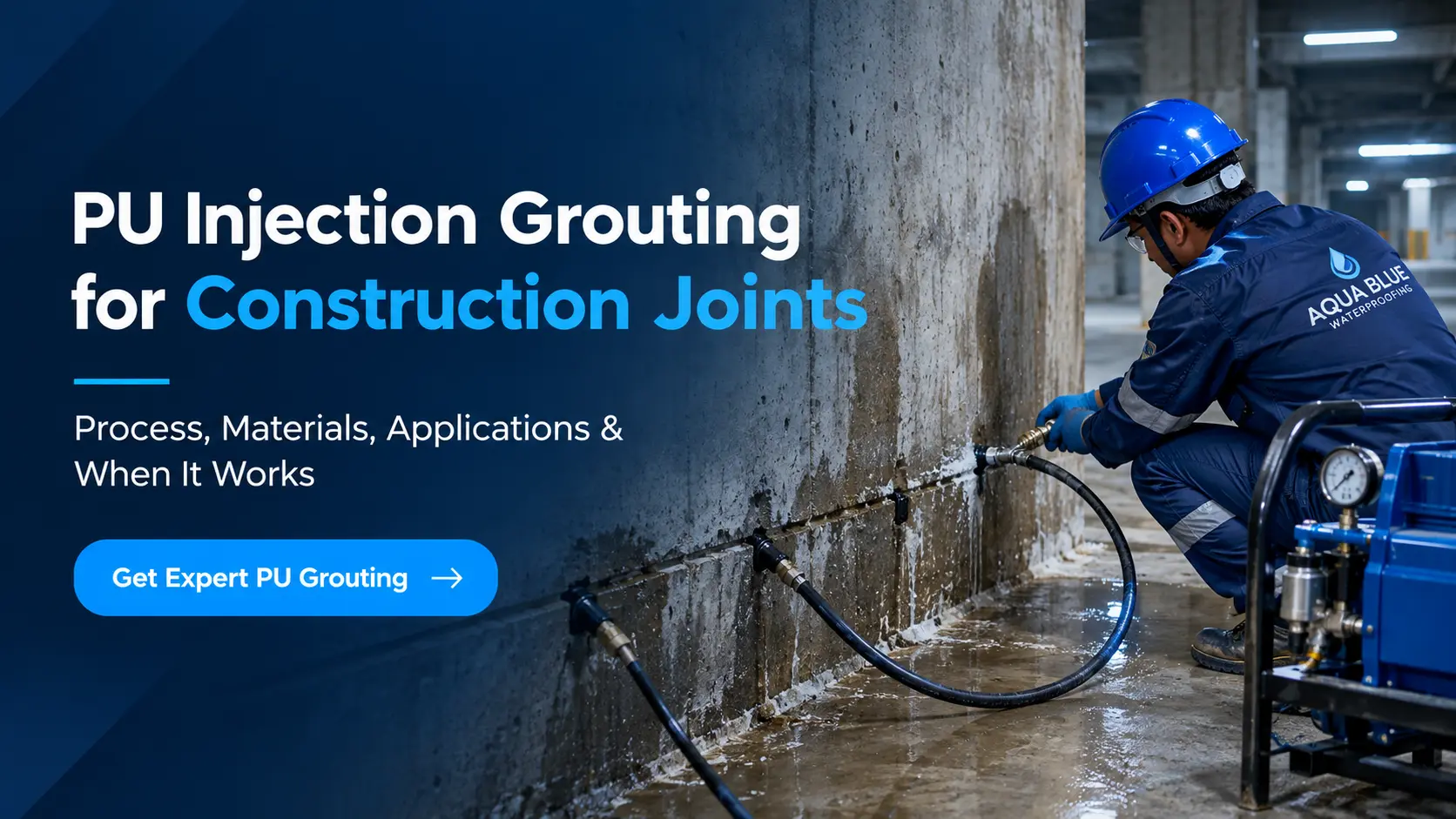

Why You Should Never Ignore Damp Patches on Walls?
When the heavy monsoon rains clear out, many property owners notice small, unsightly spots darkening their plaster. A common mistake is assuming that these damp patches on walls are just temporary cosmetic flaws that can be painted over. For homeowners looking to protect their properties, understanding the root cause of this wetness is crucial.
This guide will show you how to spot the early warning signs of internal dampness, distinguish between different types of leaks, and choose the correct repair methods. By understanding the true source of the problem, you can prevent minor water issues from turning into massive restoration bills.
Need Expert Help?
Don’t wait until damp patches become structural damage. Our experts identify the source and provide long-lasting waterproofing solutions.
One - Minute Summary
Many homeowners notice damp patches after the monsoon and assume a fresh coat of paint will solve the problem. In reality, these patches often indicate hidden issues like water seepage, plumbing leaks, or failed waterproofing. Ignoring them can lead to peeling paint, mould growth, structural damage, and costly repairs. This guide explains how to identify damp patches early, understand their causes, and choose the right waterproofing solution for a long-lasting fix.
- Common Causes
- Early Warning Signs
- Permanent Waterproofing Solutions
- When to Book an Inspection
TABLE OF CONTENT
- What Are Damp Patches?
- Causes of Damp Patches
- How to Identify Damp Patches
- Warning Signs
- Damp Patches on Ceiling and Walls
- What Happens If Ignored?
- Permanent Solutions
- Best Waterproofing Solution
- Book an Inspection
- Frequently Asked Questions
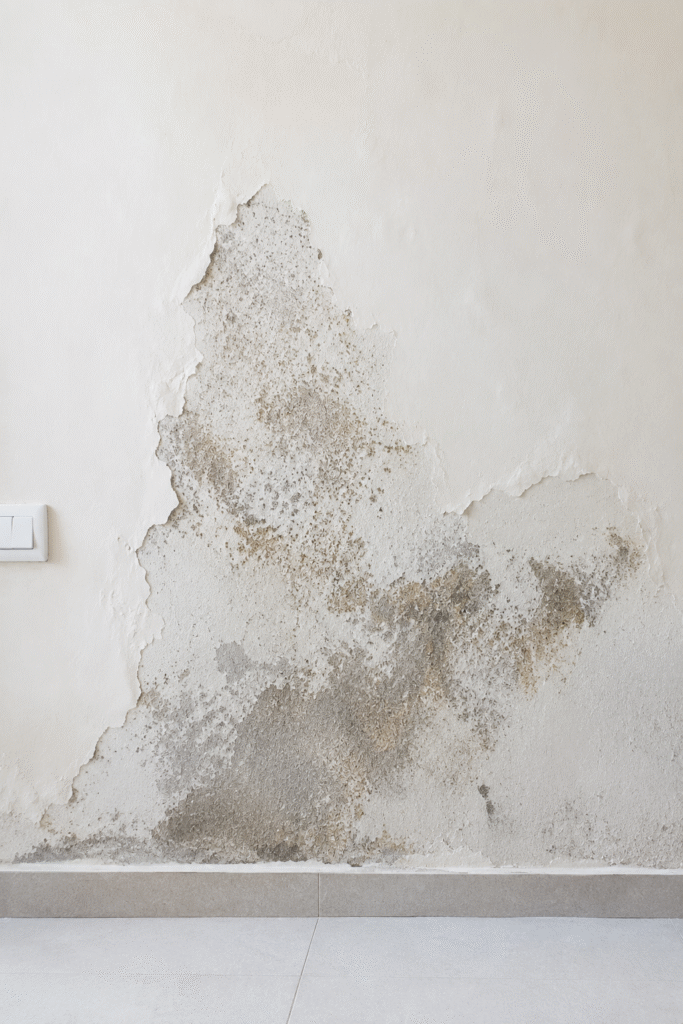
What Are Damp Patches on Walls?
A damp patch is a visible area of moisture that forms within your masonry or concrete. It is important to know the difference between temporary surface wetness and a serious structural issue. Surface dampness might happen after a hot shower or during an incredibly humid day, and it usually dries up quickly on its own once ventilation improves.
On the other hand, recurring spots or deep moisture in walls mean that water is continuously forcing its way into your home. These dark patches should never be ignored, as they indicate that your primary building materials are actively absorbing and holding water.
What Causes Damp Patches on Walls?
It is important to understand that a damp patch is not the actual problemm it is a visible warning sign of a hidden moisture issue. Understanding what causes damp patches on walls is the first step toward choosing the right waterproofing solution and preventing long-term structural damage.
Rainwater Seepage Through Exterior Walls
When external walls are not properly sealed, structural concrete faces continuous exposure to heavy storms. Rainwater beats against the building, aks through fine exterior cracks, and travels inward until it emerges as a visible patch on your interior room walls.
Hidden Plumbing Leaks
Even a tiny pinhole leak in an internal water supply pipe or a compromised drainage line hidden inside the brickwork will release water constantly. This creates a focused, ever-growing circle of dampness on the surrounding plaster.
Roof or Terrace Leakage
If your terrace waterproofing wears out, rainwater will pool on the concrete roof structure. The water slowly tracks downward through microscopic cracks, creating unsightly damp patches on ceiling and walls.
Condensation Due to Poor Ventilation
When warm, humid air hits cold, unventilated wall surfaces in kitchens or bathrooms, it turns back into liquid water. Over time, this repeated surface wetness creates deep, localized wall dampness.
Rising Ground Moisture
In ground-floor rooms, groundwater can climb upward from the earth through porous bricks via capillary action. If you want to know more about this specific ground-level issue, read our detailed guide on managing rising damp in Bangalore homes.
How to Identify Damp Patches on Walls Before They Become Serious
Knowing how to identify damp patches on walls before the underlying damage spreads can save you a significant amount of time and money. Look out for these common warning signs:
Paint Bubbling or Peeling
As moisture accumulates behind your internal finishes, it destroys the adhesive bond. You will notice your decorative layers blistering, flaking, or turning into peeling paint that easily flakes off when touched.
White Salt Deposits (Efflorescence)
When subterranean water moves through brickwork and evaporates into your room, it leaves natural mineral salts behind. This appears on your plaster as a white, fluffy, or powdery substance that ruins the appearance of your wall.
Musty Smell
If a room has a hidden moisture problem, it will start to smell musty, stale, and earthy. This bad smell stays trapped inside the room, even if you leave the windows open to let fresh air in.
Damp Walls That Feel Cold
If you place your palm flat against a suspected area, a wall holding internal moisture will feel significantly colder and damper than the unaffected walls in the same room.
Mould Growth
If a wall stays wet for too long, wall fungus will grow quickly. You will see ugly black, green, or grey spots spreading across the wall. This ruins your paint and makes your home unhealthy to live in.
Are Damp Patches a Sign of Water Seepage?
The short answer: Sometimes yes-but not always.. While many people automatically assume that every wet spot is a sign of direct wall seepage, the issue can stem from multiple different structural faults.
A spot could be caused by an internal plumbing leak, an unsealed window frame, or simply poor air circulation in a tightly enclosed room. Because the visual symptoms look identical to the untrained eye, arranging a professional waterproofing inspection Bangalore is the safest way to confirm exactly where the water is coming from before spending money on repairs.
Damp Patches on Ceiling and Walls — What Do They Usually Indicate?
The physical location of the dampness provides a major clue about the real issue causing the damage:
| Location of Dampness | Most Likely Cause | Primary Source |
|---|---|---|
| Upper ceiling patches | Roof or terrace leakage | Rainwater pooling on top concrete slabs |
| High wall patches near ceilings | Damaged external sunshades or joints | Rainwater driving into external building seams |
| Mid-wall patches | Internal plumbing or structural cracks | Leaking pipes or external structural gaps |
| Lower wall patches near floor | Failed damp proof course | Groundwater climbing from foundations |
What Happens If Damp Patches Are Ignored?
Ignoring damp patches can lead to serious structural and health issues over time, increasing repair costs and reducing your property’s value.
Structural Damage: Long-term moisture weakens the mortar holding your bricks together and can cause concrete to crack and crumble.
Plaster Deterioration: Wet plaster loses its strength, turns soft, and eventually detaches entirely from the masonry framework.
Health Hazards: Spores from active mould growth travel through the air, causing respiratory issues and allergies for your family.
Property Value Loss: Untreated structural leaks ruin built-in wooden wardrobes, warp flooring, and lower the overall resale value of your property.
How to Fix Damp Patches on Walls Permanently
If you want to know how to fix damp patches on walls permanently, you must follow a systematic, professional approach rather than relying on quick cosmetic touch-ups:
1. Find the Moisture Source First
Never rush to apply a fix without using a professional moisture meter to map out the hidden boundaries of the leak and confirm the exact entry point.
2. Repair Cracks and Leak Points
Before working on the interior surfaces, complete all necessary crack repair work on exterior walls and fix any faulty plumbing pipes hidden inside the masonry.
3. Apply the Right Waterproofing System
Apply specialized waterproofing treatments such as liquid membranes or chemical injections—directly to the structural core to form a durable barrier against future water intrusion.
4. Restore the Wall Finish
Once the treatment cures completely, re-plaster the section using an advanced salt-retardant additive to prevent future mineral damage before applying a fresh coat of breathable paint.
What Is the Best Waterproofing Solution for Damp Patches on Walls?
There is no universal, single-product fix for wall dampness. The best waterproofing solution for damp patches on walls depends entirely on your specific property layout, the severity of the damage, and the source of the water. Depending on your home’s needs, professional teams will utilize:
Polymer waterproofing:
Ideal for: Internal walls and brickwork before re-plastering.
Creates a flexible waterproof barrier that prevents moisture from penetrating the wall while improving durability.
Waterproof Membrane:
Applied to: Roofs, terraces, balconies and exterior structures.
Forms a seamless waterproof layer that blocks rainwater from entering concrete structures.
Crack injection:
Ideal for: Structural cracks and hidden leakage points.
Specialized resins are injected into cracks to seal water entry points and restore structural integrity.
Exterior wall coatings:
Ideal for: Exterior walls exposed to heavy rainfall.
It blocks heavy rain from soaking into the building, but still lets the walls “breathe” so dampness doesn’t get trapped inside.
When Should You Book a Waterproofing Inspection in Bangalore?
Do not wait for your plaster to crumble away entirely. You should schedule a professional site inspection immediately if:
Damp patches return in the exact same spot every rainy season.
Your interior paint continuously bubbles and peels despite multiple repainting attempts.
Dark mould patches start spreading along your walls or ceilings.
Your walls remain cold and wet to the touch weeks after the monsoons end.
White, powdery mineral deposits keep ruining your decorative finishes.
Frequently Asked Questions:
Q1. Why is there a damp patch on my wall but no visible leak?
Ans: It usually comes from one of two hidden structural issues rather than a broken pipe:
External Seepage: Rainwater soaking through porous exterior bricks or hairline cracks and traveling inward.
Rising Damp: Groundwater getting sucked up from the soil into your foundation bricks like a sponge because the building’s original moisture barrier has failed.
Q2. Can I paint over a damp patch?
Ans: No. Painting over active moisture only traps the water behind the wall. The trapped moisture builds up pressure, destroying the paint’s bond and causing the new layer to bubble, crack, and peel off within a few weeks. The root leak must be fixed first.
Q3. How long does it take for a damp patch to dry out completely?
Ans: As a general rule, structural masonry walls dry out at a rate of 1 inch of wall thickness per month. A standard 9-inch thick brick wall can take anywhere from 4 to 9 months to dry out naturally once the water source is completely blocked.
Q4. What is the permanent solution for a damp wall to ensure it never comes back?
Ans: Surface sprays or cosmetic patches will not work. A permanent solution requires a proper three-step process:
Source Elimination: Find and seal the exact leak or exterior crack using diagnostic tools.
Deep Waterproofing: Apply flexible polymer coatings or pressure-injected chemical barriers directly into the brickwork core.
Plaster Replacement: Remove the old, salt-contaminated plaster entirely and replace it with a specialized salt-resistant plaster matrix.
Q5. How to find where damp is coming from?
Ans: To find where damp is coming from, check its position and timing:
By Location:
Near the floor: Groundwater rising from the foundation.
On the ceiling: A roof or terrace leak from above.
Middle of the wall: An internal plumbing leak or exterior wall crack.
By Timing:
Only after rain: External rainwater soaking through the walls.
Constant all year round: A broken pipe leaking inside the brickwork.
Conclusion:
Damp patches are more than just an eyesore; they are clear warning signs that moisture is actively attacking your home’s core structure. Simply scraping away peeling paint and applying a fresh coat will never solve the problem permanently. To protect your property value and ensure a healthy living environment, you must focus on finding the root cause and applying a targeted waterproofing system. Taking care of the issue early prevents extensive structural wear and saves you from costly future repairs.
At Aqua Blue Waterproofing, we combine years of field experience with precise diagnostic tools to resolve your home’s moisture problems for good.
📞 Call Aqua Blue Waterproofing Today at +91-88920 26121
📍 Visit Our Google Business Profile
🏠 Book a Professional Waterproofing Inspection in Bangalore

PRAVEEN P is the Founder of Aqua Blue Waterproofing and a Waterproofing Technical Specialist with over 16 years of industry experience. Since establishing the company in 2014, he has helped homeowners and businesses across Bangalore solve leakage and seepage issues through reliable, long-lasting waterproofing solutions and expert guidance.